
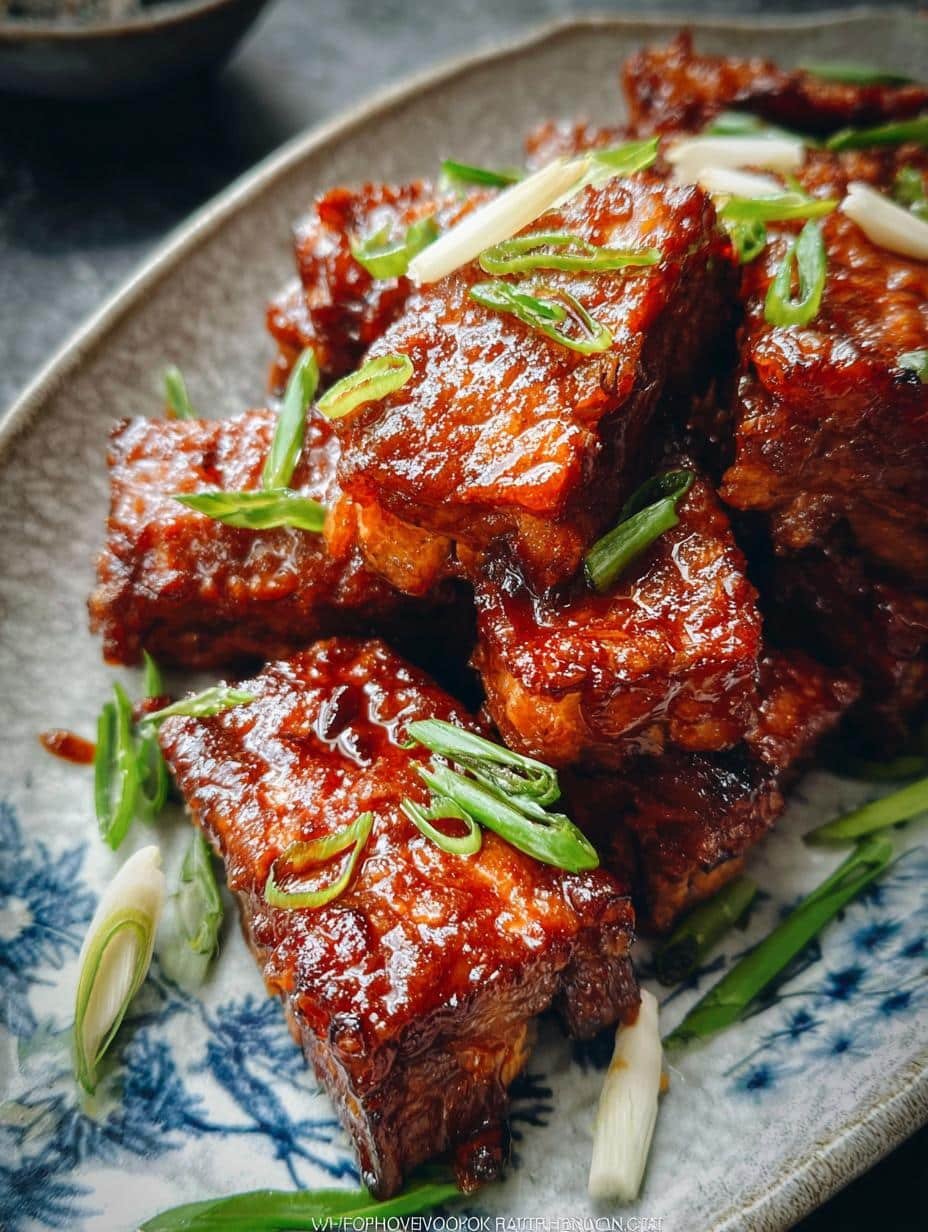
Peking Ribs have a magical way of transforming a simple weeknight meal into a restaurant-worthy feast. I remember the first time I tried them at a bustling Chinatown restaurant; the glossy, sweet-and-sour coating on the perfectly crispy ribs was unforgettable. The aroma alone – a mix of savory pork and that tangy glaze – had my mouth watering. These aren’t just any ribs; they’re a taste of authentic Northern Chinese cuisine, incredibly flavorful and surprisingly quick to make at home. If you’ve ever wondered how to make cauldron cookies, this recipe might inspire you with its unique approach to creating a delicious dessert-like experience with savory ribs! Let’s get cooking!
Why You’ll Love These Peking Ribs
These aren’t your average ribs; they’re a flavor explosion waiting to happen! Here’s why you’ll be making this recipe again and again:
- Incredibly Crispy Exterior: The double-frying technique creates a satisfying crunch that’s hard to resist.
- Juicy and Tender Inside: Despite the crispiness, the pork remains wonderfully moist and tender.
- Perfectly Balanced Glaze: The sweet and tangy sauce is addictive, coating every piece beautifully.
- Quick Preparation: With a short marinating time and fast cooking, they’re surprisingly speedy.
- Impressive Presentation: The glossy finish makes them look like they came straight from a gourmet restaurant, perfect for parties.
- Versatile Appetizer: They’re an ideal starter for any meal or a star dish on a dim sum spread.
- A Taste of Authentic Chinese Cuisine: Experience the rich flavors of Northern Chinese cooking right in your own kitchen.
- Fun to Make: If you’ve ever wondered how to make cauldron cookies, you’ll appreciate the playful, yet delicious, transformation of simple ingredients into something special, just like these ribs!
Ingredients for Authentic Peking Ribs
Gathering these ingredients is the first step to creating some of the most delicious and crispy Peking Ribs you’ve ever tasted. Think of it like preparing for your own special cauldron cookie recipe – the right components make all the difference! We’ll need:
- 1 lb pork riblets – short riblets are best for their tenderness
- 1 tablespoon Shaoxing wine – adds depth and helps tenderize the meat
- 1 tablespoon soy sauce – for classic savory flavor
- 1 tablespoon oyster sauce – brings a rich umami note to the marinade
- 1/2 teaspoon baking soda – this is a secret for tenderizing the pork
- 2 tablespoons water – helps distribute the baking soda
- 2 tablespoons ketchup – for that signature sweet and tangy base
- 2 tablespoons light soy sauce – adds saltiness without darkening the sauce too much
- 1 tablespoon distilled vinegar – provides the essential sour tang
- 1 tablespoon sugar – balances the sour and salty flavors
- 1 teaspoon cornstarch – to thicken the sauce beautifully, making it glossy
- 1/2 teaspoon black pepper – for a hint of spice
- 3 tablespoons cornstarch – for dredging, creating that essential crispy coating
- Vegetable oil (for frying) – a neutral oil with a high smoke point is perfect
- 2 cloves garlic, minced – the aromatic foundation of the sauce
- 1 scallion, sliced, white and green parts separated – whites for sautéing, greens for garnish
How to Make Crispy Peking Ribs
- Step 1: In a large bowl, combine the pork riblets with 1 tablespoon Shaoxing wine, 1 tablespoon soy sauce, 1 tablespoon oyster sauce, 1/2 teaspoon baking soda, and 2 tablespoons water. Mix everything thoroughly to ensure the pork is well-coated. Cover the bowl and marinate in the refrigerator for at least 1 hour, or ideally, overnight for deeper flavor.
- Step 2: While the pork marinates, prepare your sauce. In a medium bowl, whisk together 2 tablespoons ketchup, 2 tablespoons light soy sauce, 1 tablespoon distilled vinegar, 1 tablespoon sugar, 1 teaspoon cornstarch, and 1/2 teaspoon black pepper until smooth. Set aside.
- Step 3: Once marinated, drain any excess liquid from the pork and pat the ribs completely dry with paper towels. This is crucial for achieving a crispy coating.
- Step 4: Place 3 tablespoons of cornstarch in a separate bowl and toss the dried pork ribs to coat them evenly. Make sure each piece is well-dusted.
- Step 5: Heat about 1 inch of vegetable oil in a wok or large frying pan over medium-high heat until it reaches 350°F (176°C). Line a baking sheet with a wire rack to drain the fried ribs.
- Step 6: Carefully lower the coated pork ribs into the hot oil using a spider strainer or tongs. Fry for 2 minutes over medium heat until they are lightly golden. This initial fry cooks the pork through.
- Step 7: Transfer the ribs to the prepared wire rack to drain off the excess oil.
- Step 8: Increase the oil temperature to 375°F (190°C). Carefully return the ribs to the hot oil for a second fry, this time for just 1 minute, until they are deeply golden brown and beautifully crispy. This double-frying is key to that signature crunch, much like achieving the perfect texture for your Halloween cauldron cookies.
- Step 9: Remove the ribs from the oil and place them back on the wire rack to drain again.
- Step 10: Heat 2 tablespoons of fresh oil in a large skillet over medium-high heat until shimmering. Add the minced garlic and the white parts of the sliced scallion. Sauté for about 30 seconds until fragrant.
- Step 11: Give your prepared sauce a quick stir to ensure the cornstarch is fully dissolved, then pour it into the skillet with the aromatics. Stir continuously as the sauce quickly thickens into a glossy glaze.
- Step 12: Add the double-fried pork ribs back into the skillet with the thickened sauce. Toss gently to coat each piece evenly in the shiny glaze.
- Step 13: Transfer the saucy ribs to a serving plate and garnish with the reserved green parts of the scallion. Serve immediately for the best crispy texture.
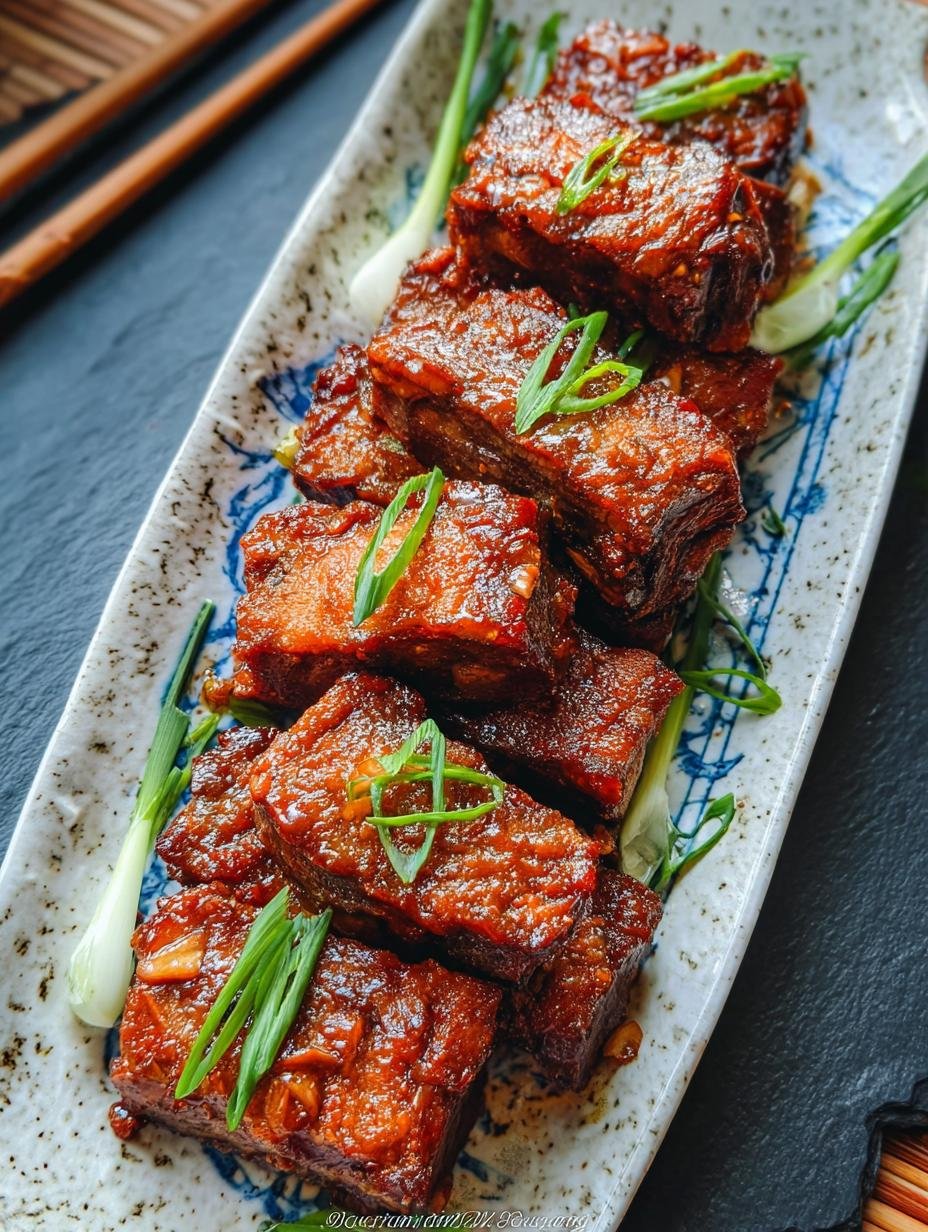
Marinating the Pork
The marinating stage is essential for tenderizing the pork and infusing it with flavor. Combine the riblets with Shaoxing wine, soy sauce, oyster sauce, baking soda, and water. Let them rest in the fridge for at least an hour, or even better, overnight, to allow the flavors to penetrate deeply. For more information on the science behind marinades, you can check out resources on food science.
Preparing the Sauce
Whisk together the sauce ingredients: ketchup, light soy sauce, distilled vinegar, sugar, cornstarch, and black pepper in a bowl. This simple mixture creates the perfect balance of sweet, sour, and savory that defines Peking Ribs. Ensure the cornstarch is fully dissolved before you need it.
The Deep Frying Technique
Achieving that perfect crispy texture requires a two-stage deep-frying process. The first fry at 350°F cooks the ribs through, while the second, hotter fry at 375°F creates an irresistibly crunchy exterior. This method is similar to how you might aim for a crisp bottom on your witch cauldron cookies, ensuring a delightful texture contrast.
Pro Tips for the Best Peking Ribs
Want to elevate your Peking Ribs game? I’ve picked up a few tricks over the years that make a huge difference, ensuring every bite is as delicious as the last. These tips will help you achieve that perfect balance of crispy and tender, just like perfecting your spooky cauldron cookies!
- Always use good quality pork riblets; the fat content is crucial for tenderness and flavor.
- Don’t skip the double-frying step – it’s non-negotiable for that signature crispiness.
- Ensure the pork is completely dry before dredging in cornstarch for the best adhesion.
- Have all your sauce ingredients measured and ready before you start the final stir-fry.
What’s the secret to perfect Peking Ribs?
The magic lies in the combination of the baking soda tenderizer in the marinade and the two-stage deep-frying technique. This ensures the ribs are incredibly juicy inside and shatteringly crisp outside, much like how a well-tested cauldron cookie recipe yields perfect results.
Can I make Peking Ribs ahead of time?
You can marinate the pork ribs up to 24 hours in advance. However, for the ultimate crispiness, I highly recommend frying and saucing them just before serving. The sauce can make them soggy if they sit too long.
How do I avoid common mistakes with Peking Ribs?
A common pitfall is overcrowding the pan during frying, which lowers the oil temperature and results in greasy ribs. Another mistake is not drying the pork enough before coating it in cornstarch. Finally, be careful not to overcook the ribs after saucing, or you’ll lose that delightful crunch.

Best Ways to Serve Peking Ribs
These savory and slightly sweet Peking Ribs are incredibly versatile, making them a fantastic appetizer or a star side dish. They pair wonderfully with other Chinese dishes, creating a truly authentic meal experience. Think of them as the perfect flavorful treat, much like how special decorated cauldron cookies add a unique touch to a dessert table!
- Serve them hot right off the stove as a crowd-pleasing appetizer. The crispy texture and glossy glaze are irresistible.
- Enjoy them as part of a larger Chinese feast alongside steamed rice, stir-fried vegetables like bok choy, and flavorful soups.
- Pair them with a refreshing Chinese cucumber salad or pickled radishes to cut through the richness of the ribs.
Nutrition Facts for Peking Ribs
Here’s a look at the estimated nutritional breakdown for these delightful Peking Ribs. They offer a satisfying balance of protein and flavor, making them a great choice for an appetizer or a special dish. These figures help you understand the components of this classic Chinese pork riblet recipe. For more detailed nutritional information on pork, you can consult resources from the National Pork Board.
- Serving Size: 1 serving
- Calories: 362 kcal
- Fat: 10.5 g
- Saturated Fat: 3.1 g
- Protein: 53.2 g
- Carbohydrates: 10.2 g
- Fiber: 0.3 g
- Sugar: 6.2 g
- Sodium: 869 mg
Nutritional values are estimates and may vary based on specific ingredients and preparation methods used.
How to Store and Reheat Peking Ribs
Even though these Peking Ribs are best enjoyed fresh, I know sometimes life gets busy! If you have leftovers, don’t worry; storing and reheating them is quite simple. Proper storage ensures you can still enjoy that delicious crispy texture and sweet and sour glaze later on. Think of it like saving your carefully crafted Halloween cauldron cookies for another day!
- Allow the ribs to cool completely before storing them. This prevents condensation from making them soggy.
- Transfer the cooled ribs to an airtight container. You can also wrap them tightly in plastic wrap, then foil, for extra protection.
- Store them in the refrigerator for up to 3-4 days.
- For longer storage, freeze the cooled ribs for up to 3 months. Ensure they are well-wrapped to prevent freezer burn.
To reheat, the best method is to bake them in a preheated oven at 350°F (175°C) for about 10-15 minutes, or until heated through. This helps maintain some crispiness. You can also quickly crisp them up in an air fryer or under the broiler for a minute or two, watching them closely to prevent burning.
Variations of Peking Ribs You Can Try
While this classic recipe for Peking Ribs is hard to beat, I love experimenting with different twists! Sometimes I crave a lighter version, and other times I want to explore new flavor profiles. These variations are a fun way to enjoy the essence of Peking Ribs without sticking to just one method, much like how you can get creative with your cauldron cookie ideas for different holidays!
- Gluten-Free Version: For those avoiding gluten, simply swap the Shaoxing wine for dry sherry and use tamari instead of light soy sauce in both the marinade and the sauce. The crispy coating will still be achieved with cornstarch.
- Air Fryer Peking Ribs: If you prefer a less oily method, try making these in an air fryer. Marinate and coat the ribs as usual, then air fry at 380°F (195°C) for about 15-20 minutes, flipping halfway through, until crispy. Toss with the sauce immediately after.
- Spicy Kick Variation: Add a pinch of red pepper flakes or a teaspoon of chili garlic sauce to the marinade for a bit of heat. You can also add a touch of sriracha to the final glaze for an extra spicy punch.
- Sweet & Savory Glaze Twist: Experiment with adding a tablespoon of hoisin sauce to the final glaze mixture for an extra layer of savory depth and a richer color.
Peking Ribs: 12 Amazing Flavor Secrets Revealed
- Total Time: 2 hours 25 minutes
- Yield: 2 to 4 servings 1x
- Diet: None
Description
This Peking Ribs recipe offers a quick method for preparing flavorful pork ribs. They are crispy on the outside, juicy on the inside, and coated in a shiny sweet and sour sauce. This classic Chinese dish balances rich pork with a tangy, sweet glaze, making it a favorite for special occasions.
Ingredients
- 1 lb pork ribs
- 1 tablespoon Shaoxing wine
- 1 tablespoon soy sauce
- 1 tablespoon oyster sauce
- 1/2 teaspoon baking soda
- 2 tablespoons water
- 2 tablespoons ketchup
- 2 tablespoons light soy sauce
- 1 tablespoon distilled vinegar
- 1 tablespoon sugar
- 1 teaspoon cornstarch
- 1/2 teaspoon black pepper
- 3 tablespoons cornstarch
- Vegetable oil (for frying)
- 2 cloves garlic, minced
- 1 scallion, sliced, white and green parts separated
Instructions
- Combine the pork ribs with the marinating ingredients in a large bowl. Mix well and marinate in the fridge for at least 1 hour, up to overnight.
- Combine the sauce ingredients in a medium bowl.
- Once ready to cook, drain off and discard the excess liquid from the marinated pork. Pat dry with paper towels.
- Dust cornstarch onto the pork and mix to coat evenly.
- Heat 1 inch (2.5 cm) of oil in a wok or frying pan over medium-high heat to 350°F (176°C).
- Line a baking sheet with a wire rack.
- Carefully lower the pork into the oil using a spider strainer. Fry over medium heat for 2 minutes, until golden.
- Transfer pork to the rack to drain off excess oil.
- Heat the oil to 375°F (190°C). Fry the pork ribs again for 1 minute, until golden.
- Transfer to the wire rack again to drain.
- Heat 2 tablespoons of oil in a large skillet over medium-high heat until shimmering.
- Add the garlic and scallion whites. Turn to medium heat. Cook and stir the aromatics for 30 seconds to release fragrance.
- Stir the sauce again to dissolve the cornstarch completely, pour it into the wok and stir immediately.
- When the sauce thickens, add back the pork and stir to coat well.
- Transfer everything to a plate and garnish with scallion greens. Serve hot as an appetizer.
Notes
- To make this dish gluten-free: Use dry sherry to replace Shaoxing wine, and use tamari to replace light soy sauce.
- Short riblets are recommended for this Peking Ribs recipe.
- If short riblets are unavailable, other cuts of pork like thin pork chops or pork slices can be used, adjusting the quantity.
- Deep frying is crucial for the signature crispy texture of Peking Ribs.
- Avoid overcooking the ribs to prevent them from becoming tough.
- Use just enough sauce to coat the ribs to maintain crispiness.
- Peking Ribs are best served immediately after cooking.
- Prep Time: 15 minutes
- Cook Time: 10 minutes
- Category: Appetizer
- Method: Deep Frying
- Cuisine: Chinese
Nutrition
- Serving Size: 1 serving
- Calories: 362 kcal
- Sugar: 6.2 g
- Sodium: 869 mg
- Fat: 10.5 g
- Saturated Fat: 3.1 g
- Carbohydrates: 10.2 g
- Fiber: 0.3 g
- Protein: 53.2 g
- Cholesterol: 146 mg